
Case Study: Transforming a Small Casablanca Yard into a Lush Oasis
Introduction
In the bustling city of Casablanca, where space is often at a premium, transforming a small yard into a lush oasis can seem like an impossible dream. However, with the right approach and a bit of creativity, any space can be turned into a serene retreat. This case study explores the transformation of a modest yard into a verdant paradise.
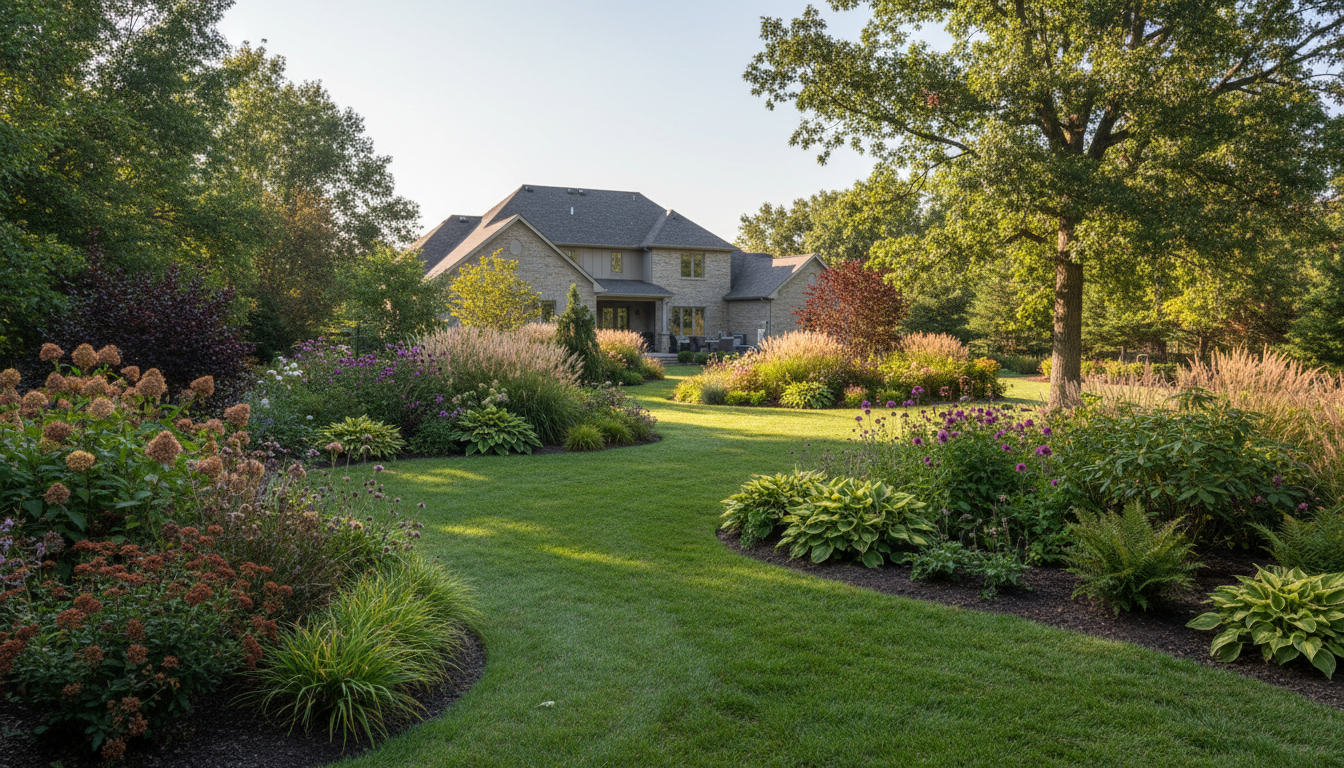
Initial Challenges
The small yard in question was initially a barren plot, devoid of life and character. The primary challenges were the limited space and the harsh urban environment. The soil quality was poor, and there was minimal natural light due to surrounding buildings. These obstacles required innovative solutions to create a thriving garden.
Space Optimization
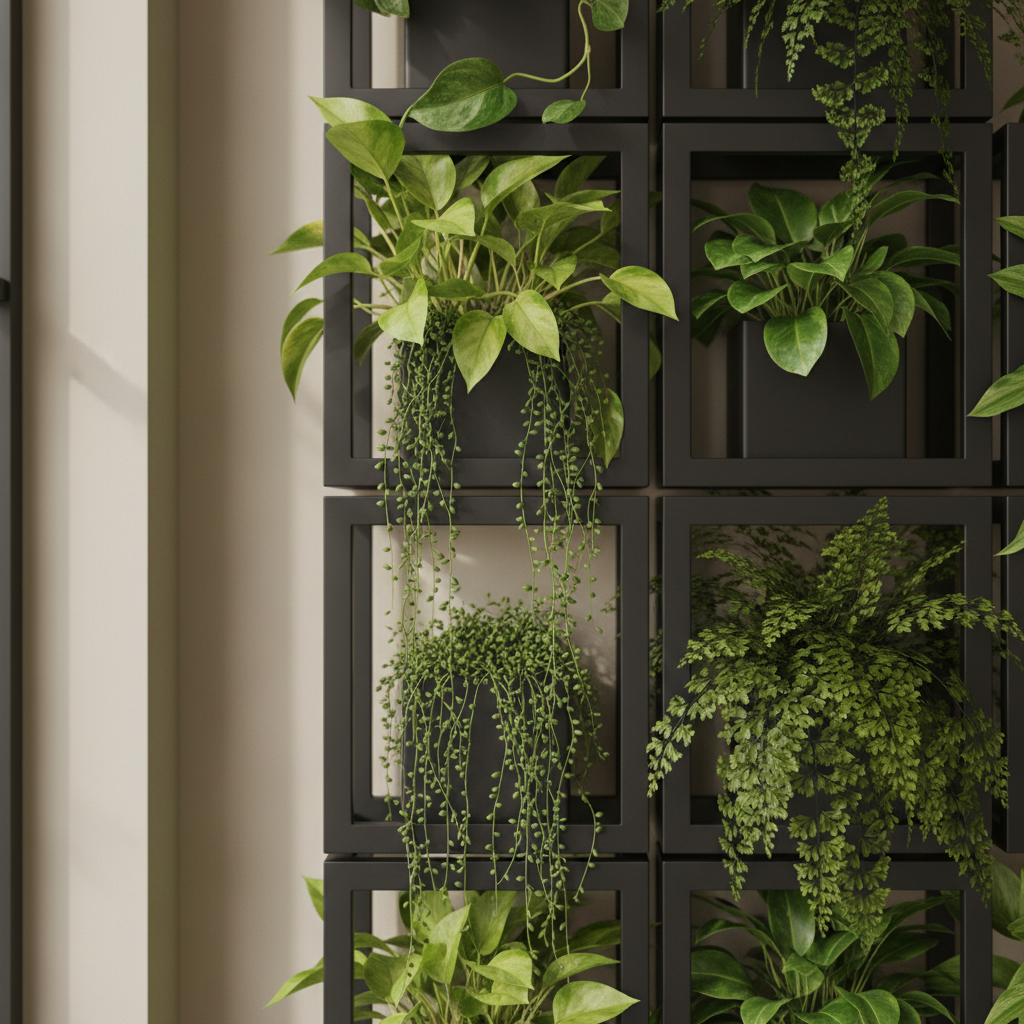
To make the most of the limited space, vertical gardening techniques were employed. By installing wall-mounted planters and trellises, the team was able to add greenery without occupying valuable ground space. This approach not only maximized the planting area but also created a visually appealing vertical landscape.
Selection of Plants
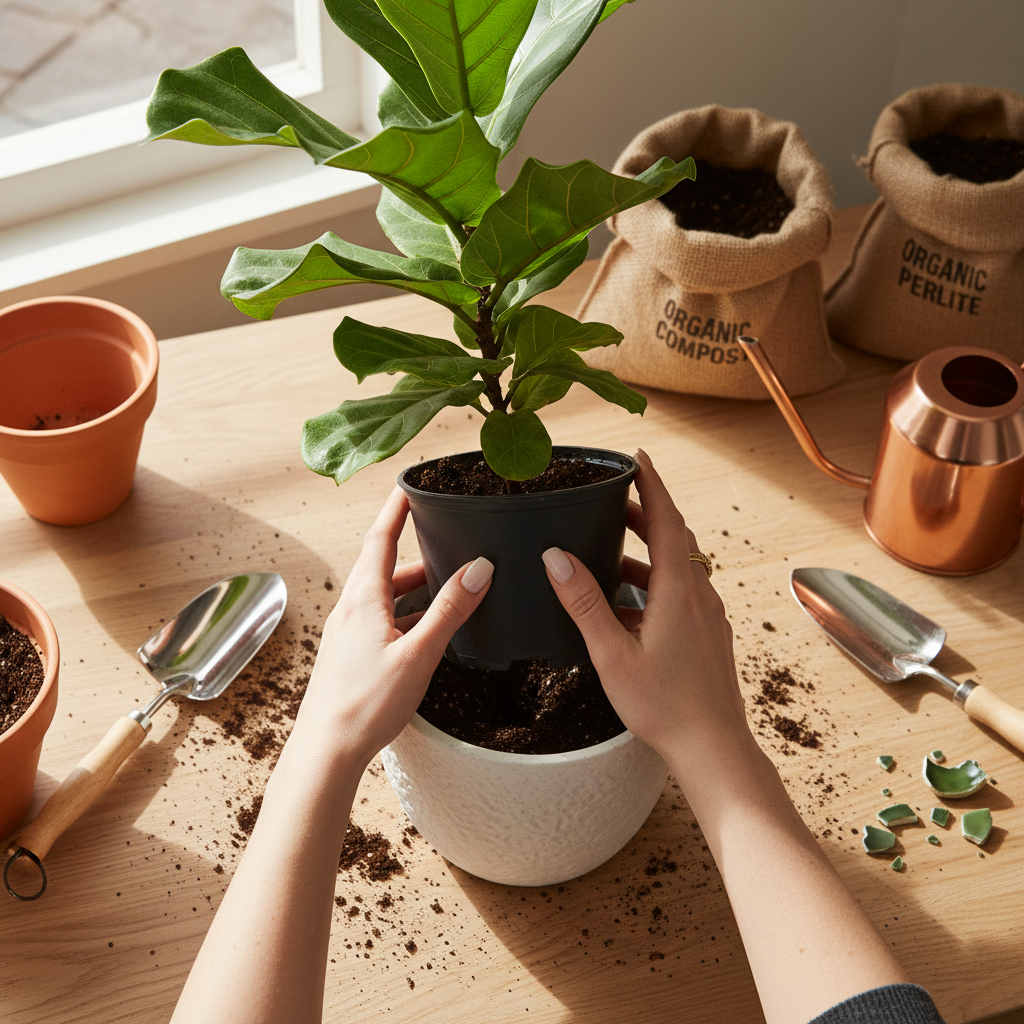
Choosing the right plants was crucial for the success of this project. The team selected a mix of native and drought-resistant species that could thrive in Casablanca's climate. Plants like succulents, lavender, and olive trees were chosen for their resilience and low maintenance requirements.
Creating Microclimates
To ensure the diverse plant selection could coexist, microclimates were created within the yard. Shaded areas were designed for moisture-loving plants, while sunnier spots hosted drought-tolerant species. This strategic placement helped each plant to thrive in its preferred environment.
Incorporating Water Features
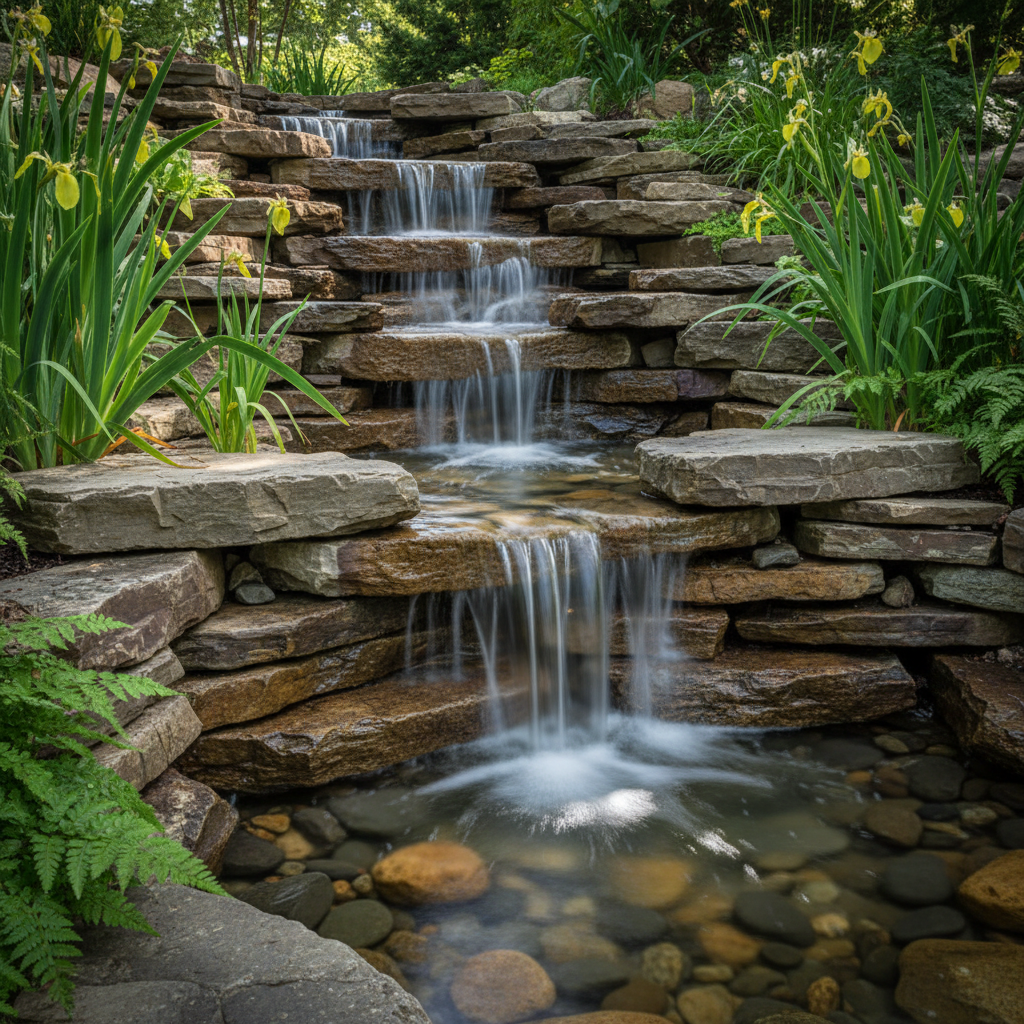
To enhance the oasis feel, a small water feature was added. A compact fountain became the yard's centerpiece, providing soothing sounds and attracting local wildlife. The gentle trickle of water created a calming atmosphere, making the space a perfect retreat from the urban hustle.
Environmental Benefits
Beyond aesthetics, the water feature and plant life contributed to improving the local microclimate. The greenery helped reduce the ambient temperature, while the water feature added humidity to the air, creating a more comfortable environment.
Final Transformation
The transformation of the yard was nothing short of remarkable. What was once a neglected space became a vibrant, lush oasis. The project not only enhanced the aesthetic appeal of the property but also increased its value. It demonstrated that with thoughtful design and plant selection, even the smallest spaces can be transformed into thriving gardens.
Conclusion
This case study serves as an inspiration for urban dwellers looking to create their own green retreats. With careful planning and innovative solutions, any small yard can be turned into a personal sanctuary, offering a peaceful escape from the demands of city life.