
Case Study: Transforming a Casablanca Garden into a Sustainable Haven
Introduction to the Project
In the bustling city of Casablanca, a unique project has taken root: transforming a traditional garden into a sustainable haven. This initiative not only enhances the aesthetic appeal of the space but also promotes environmental consciousness and biodiversity.
The project began with a simple idea: to create a green space that thrives on sustainability principles. The garden, previously a conventional landscape, was set for a complete overhaul to incorporate eco-friendly practices and native plant species.

Planning and Design
The transformation required meticulous planning, focusing on sustainable landscaping techniques. The design team worked to integrate permaculture principles, ensuring that the garden would be both beautiful and environmentally responsible.
Key elements included rainwater harvesting systems, composting areas, and the use of solar-powered lighting. These features were designed to reduce the garden's environmental footprint while enhancing its functionality.
Plant Selection and Biodiversity
Choosing the right plants was crucial for success. The team prioritized native plant species that are well-adapted to the local climate. This choice not only supports local wildlife but also reduces the need for artificial irrigation and fertilizers.
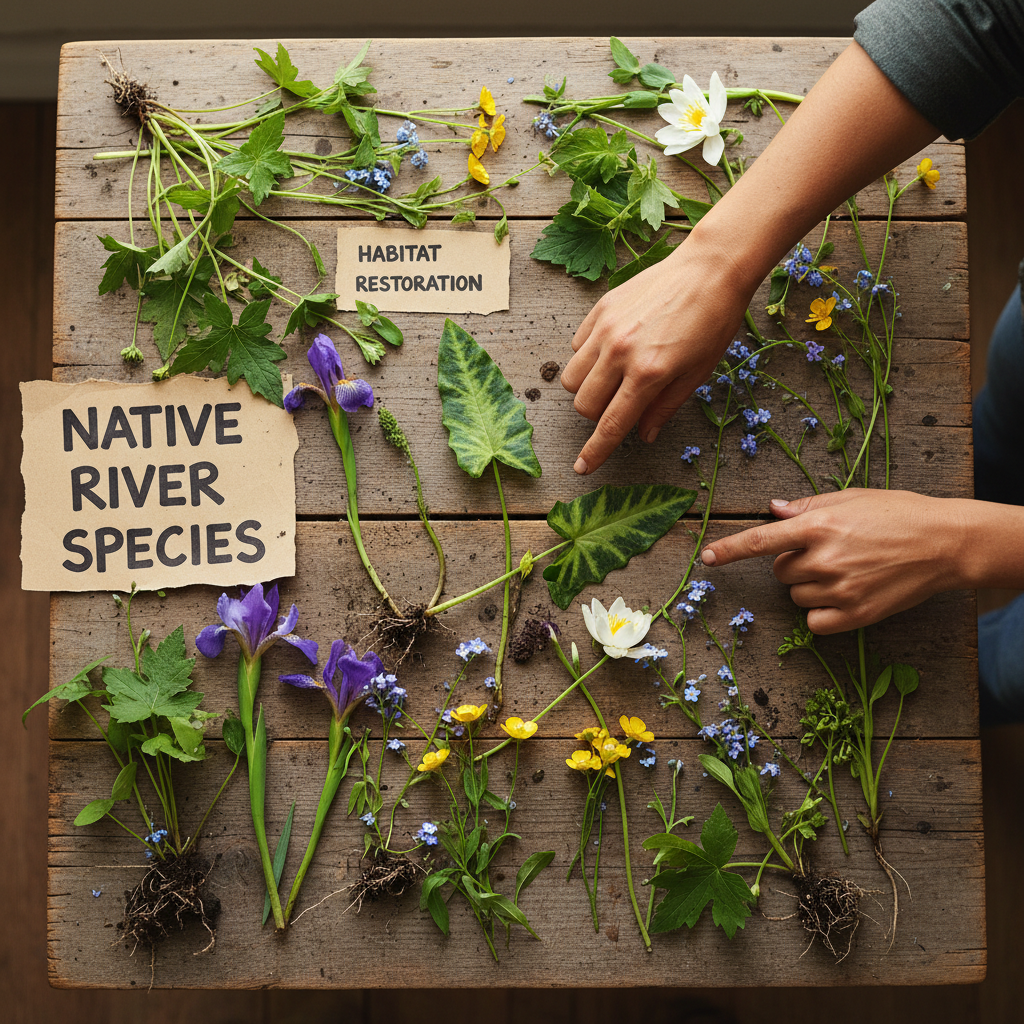
By fostering biodiversity, the garden has become a sanctuary for various pollinators, including bees and butterflies. This has resulted in a vibrant, lively space that changes with the seasons.
Community Involvement
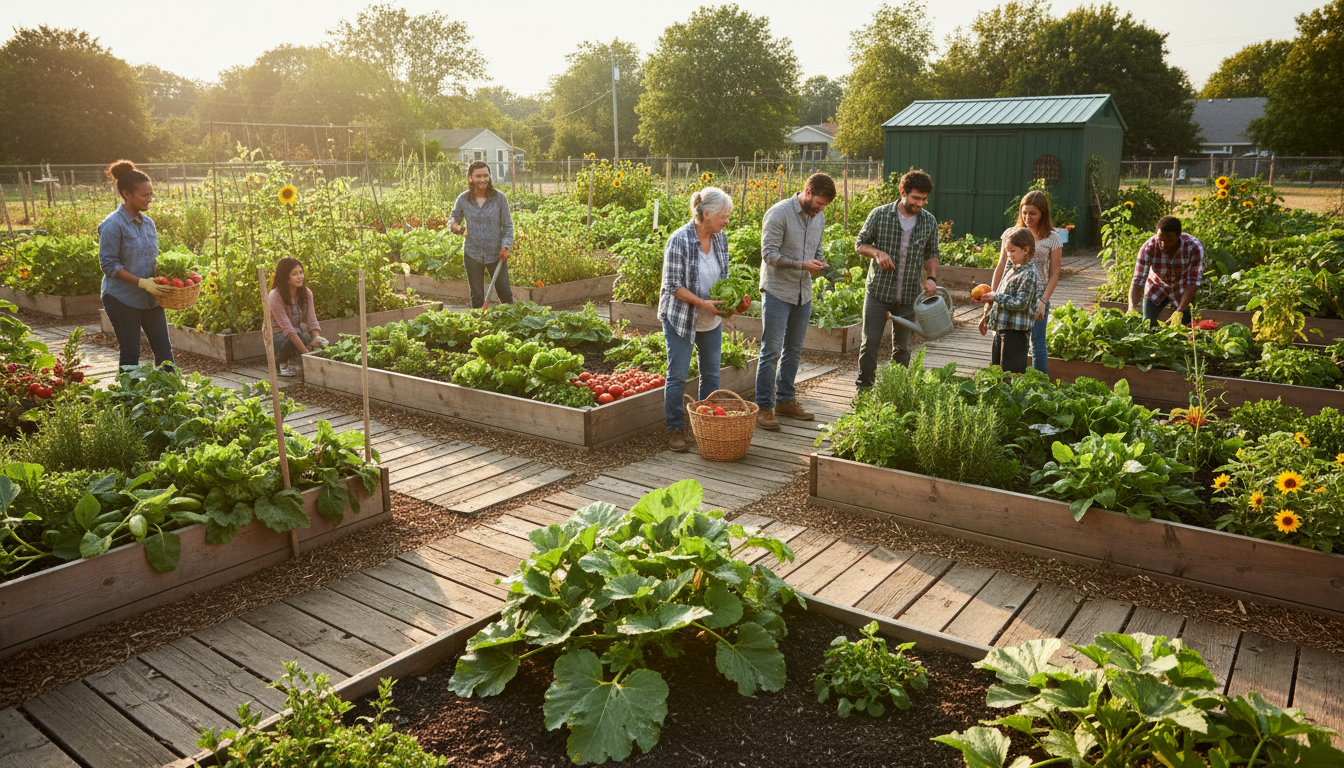
A significant aspect of the project was community engagement. Workshops and educational sessions were held to teach locals about sustainable gardening practices. This involvement fostered a sense of ownership and pride among residents.
The garden now serves as a model for others in the community, inspiring similar projects across the city. By demonstrating the benefits of sustainable gardening, the project has encouraged broader environmental awareness.
Challenges and Solutions
Transforming the garden wasn't without its challenges. The team faced obstacles such as soil degradation and limited water resources. However, innovative solutions, like the use of organic soil enhancers and efficient drip irrigation systems, helped overcome these issues.
Continuous monitoring and adaptive management have been key in maintaining the garden's health and productivity. This dynamic approach allows for adjustments to be made in response to environmental changes.
Impact and Future Plans
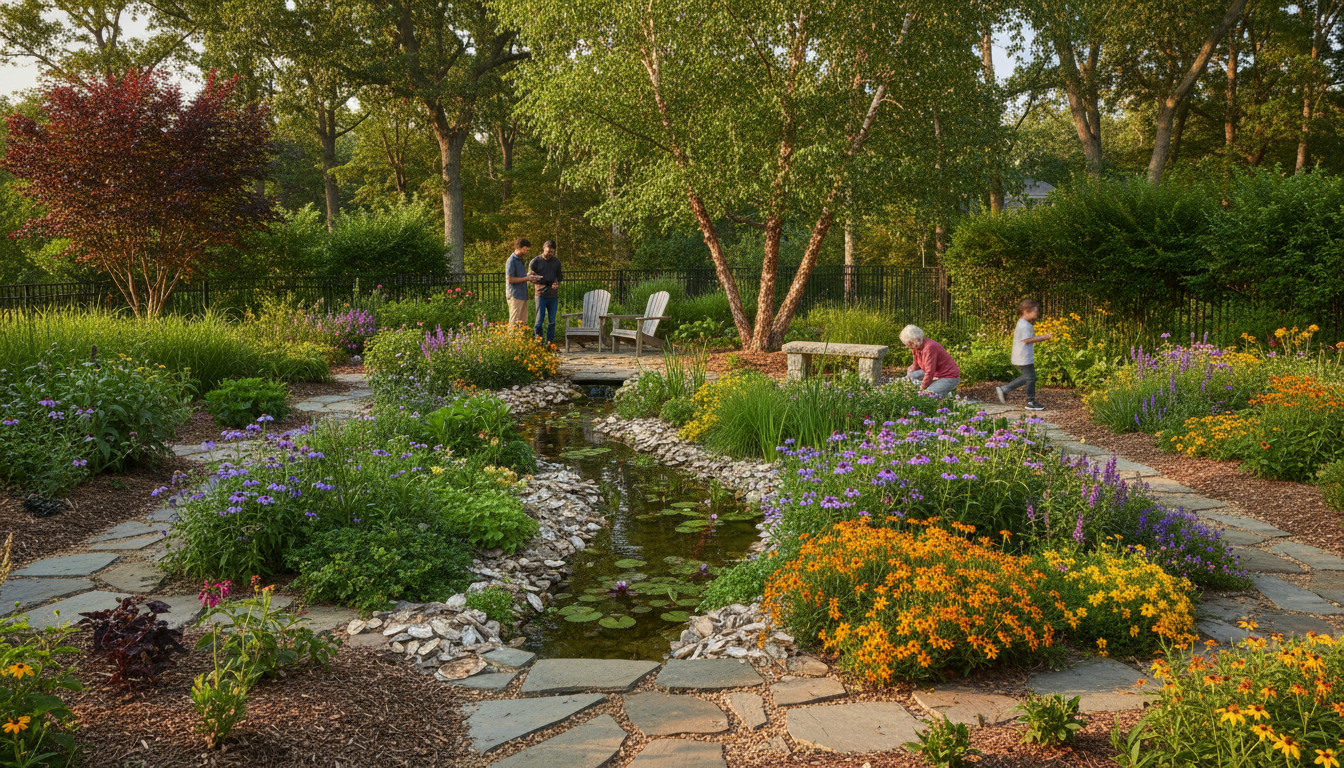
The transformation has had a profound impact on the local environment and community. The garden has reduced urban heat, improved air quality, and provided a peaceful retreat for residents and visitors alike.
Looking to the future, plans are underway to expand the garden and incorporate educational programs for schools. The goal is to nurture a new generation of environmentally conscious citizens who understand the importance of sustainable practices.
Conclusion
The Casablanca garden transformation stands as a testament to the power of sustainable design and community collaboration. It has not only revitalized a space but also inspired a movement towards greener, more sustainable urban living.
As we continue to face global environmental challenges, projects like this offer hope and a roadmap for creating sustainable havens in cities around the world.